Strengthening ties with the diaspora is increasingly taking on a central role as a strategic priority for sustainable development in the region.
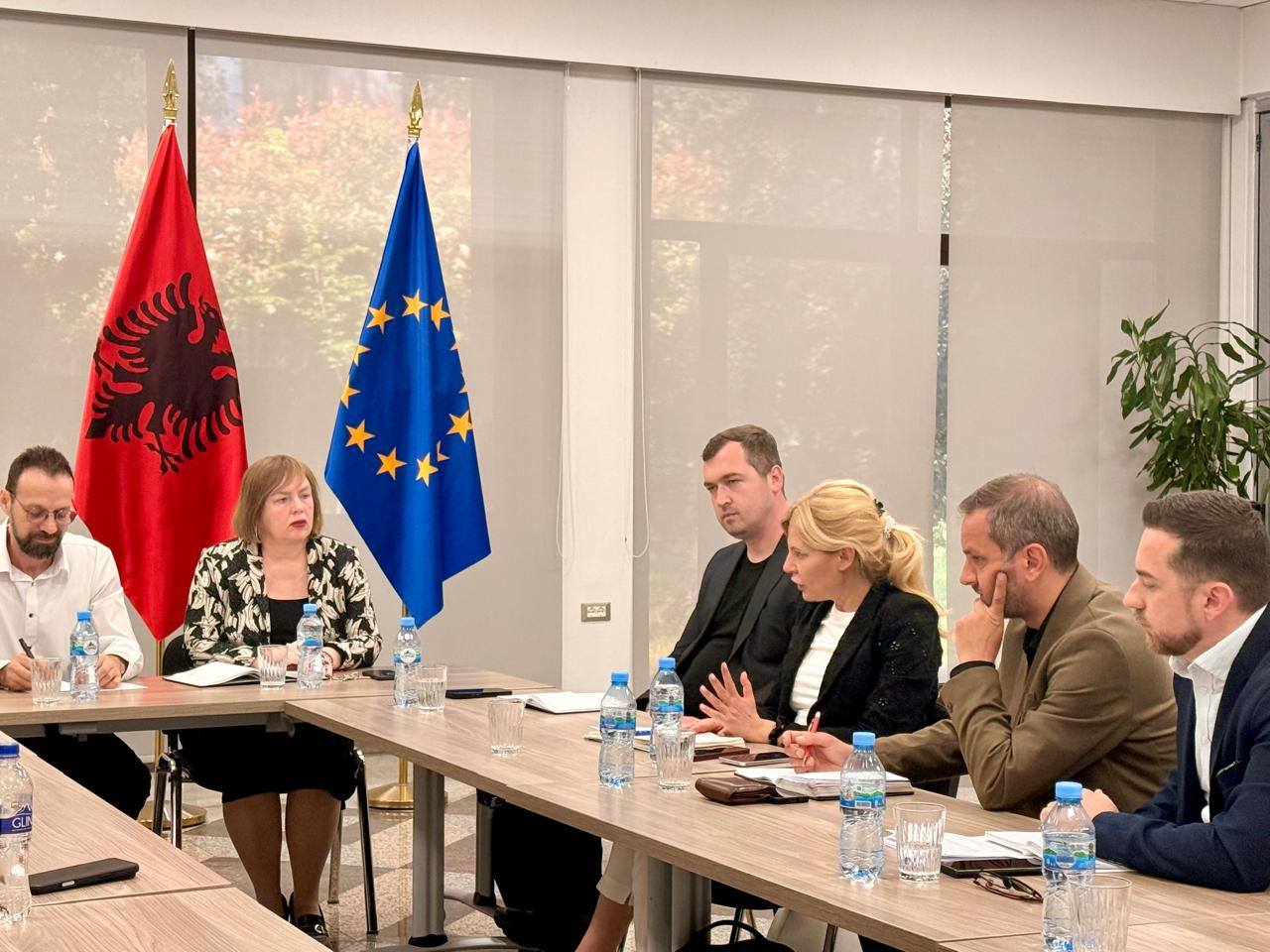
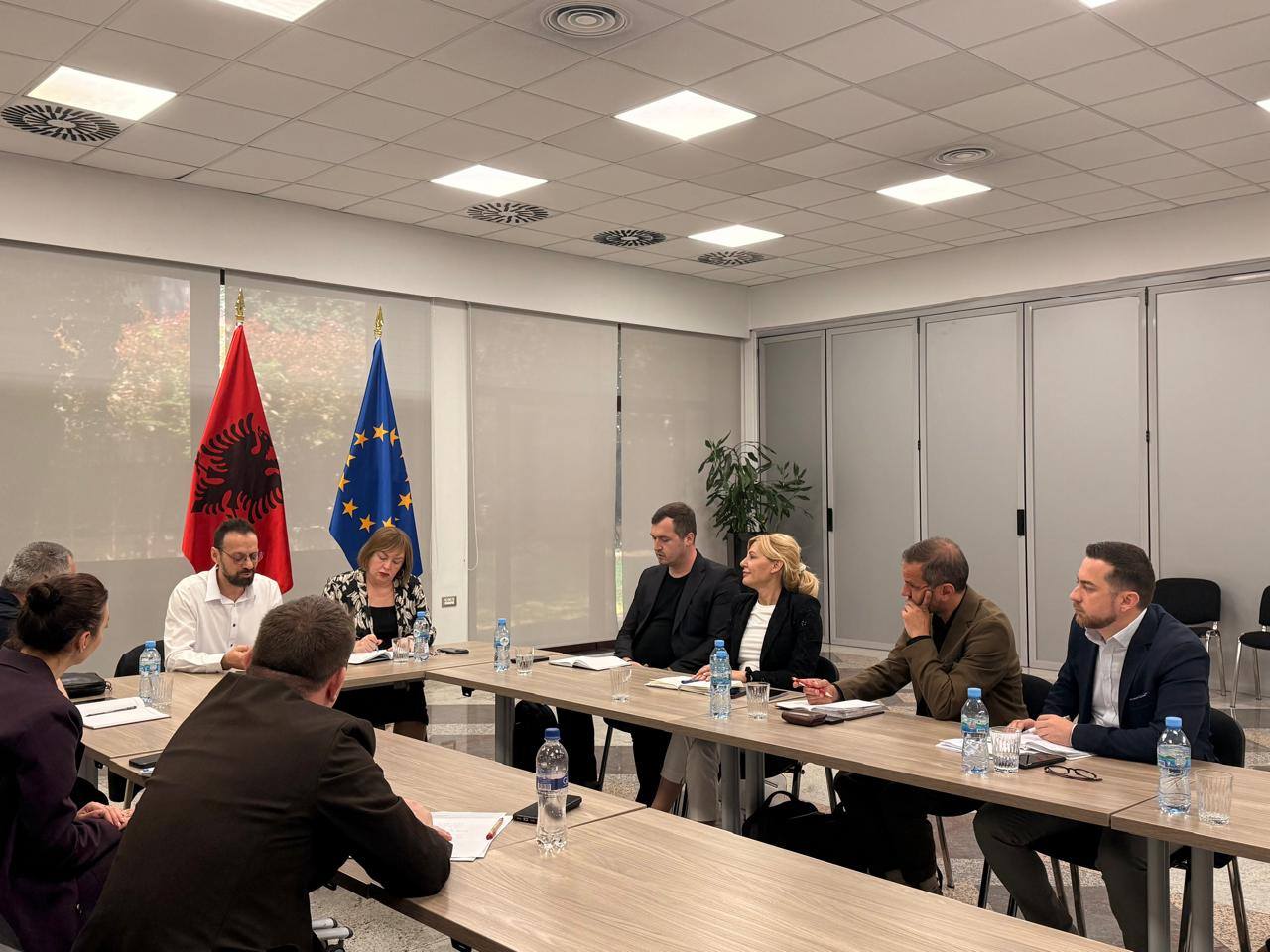
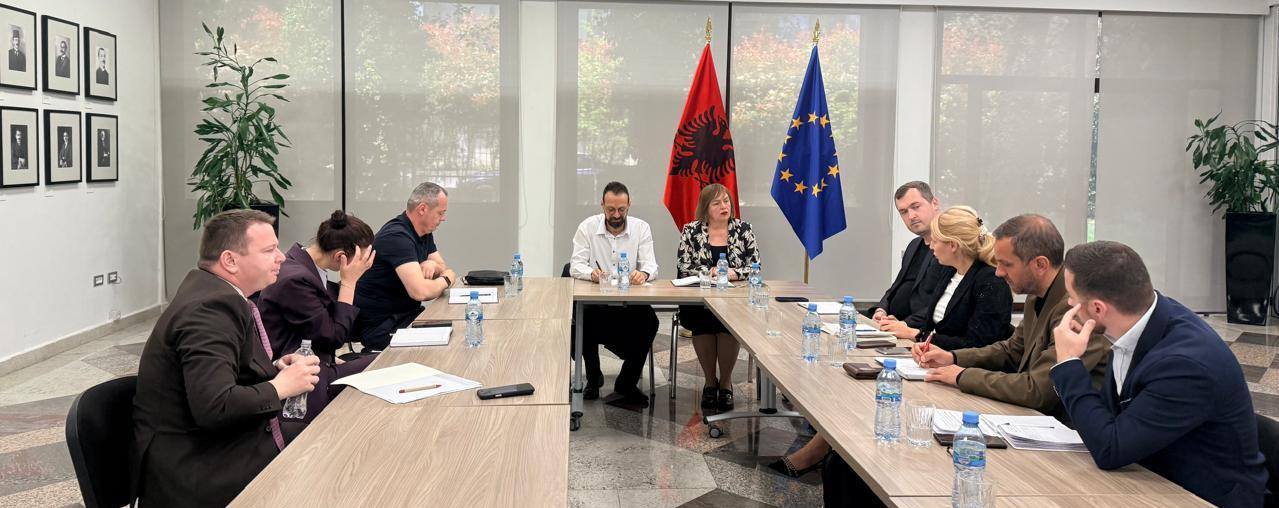
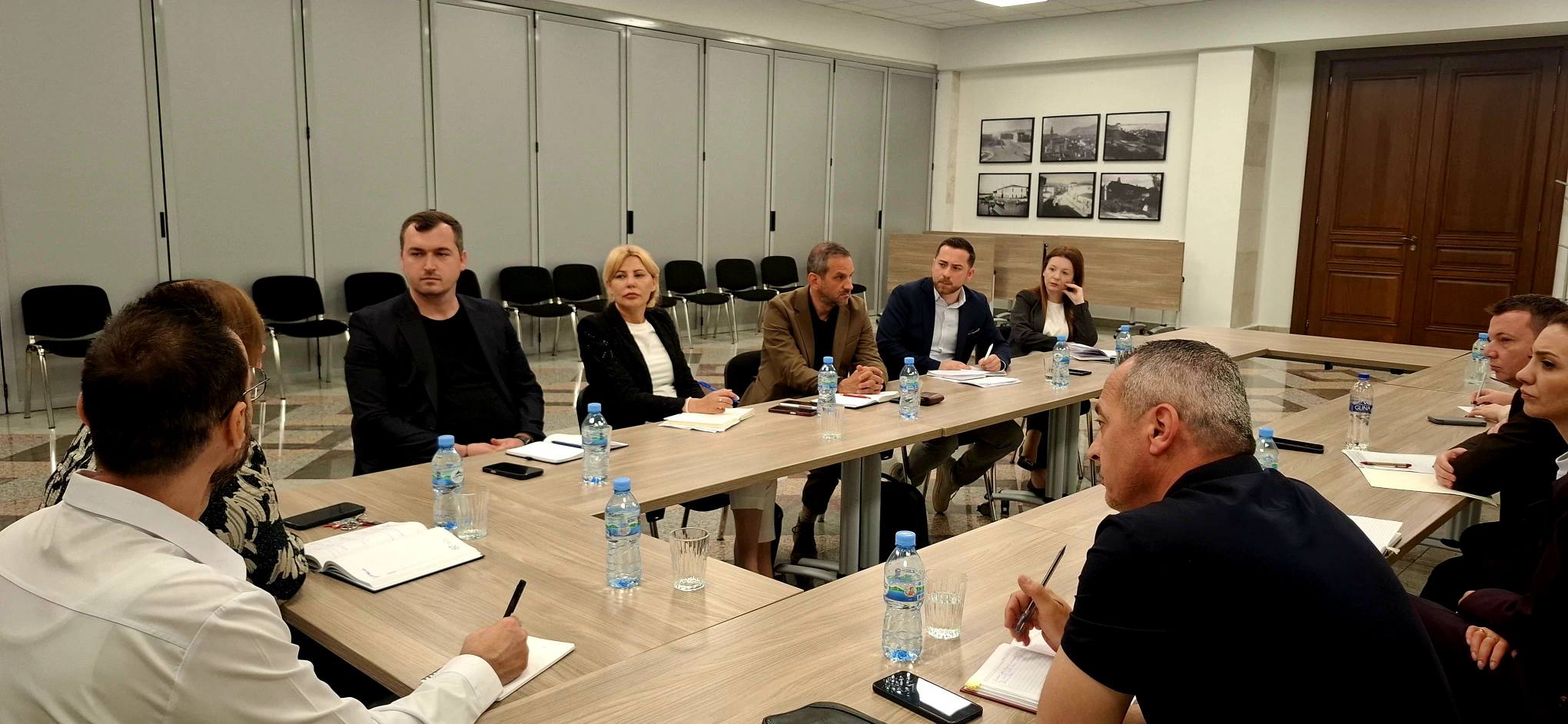
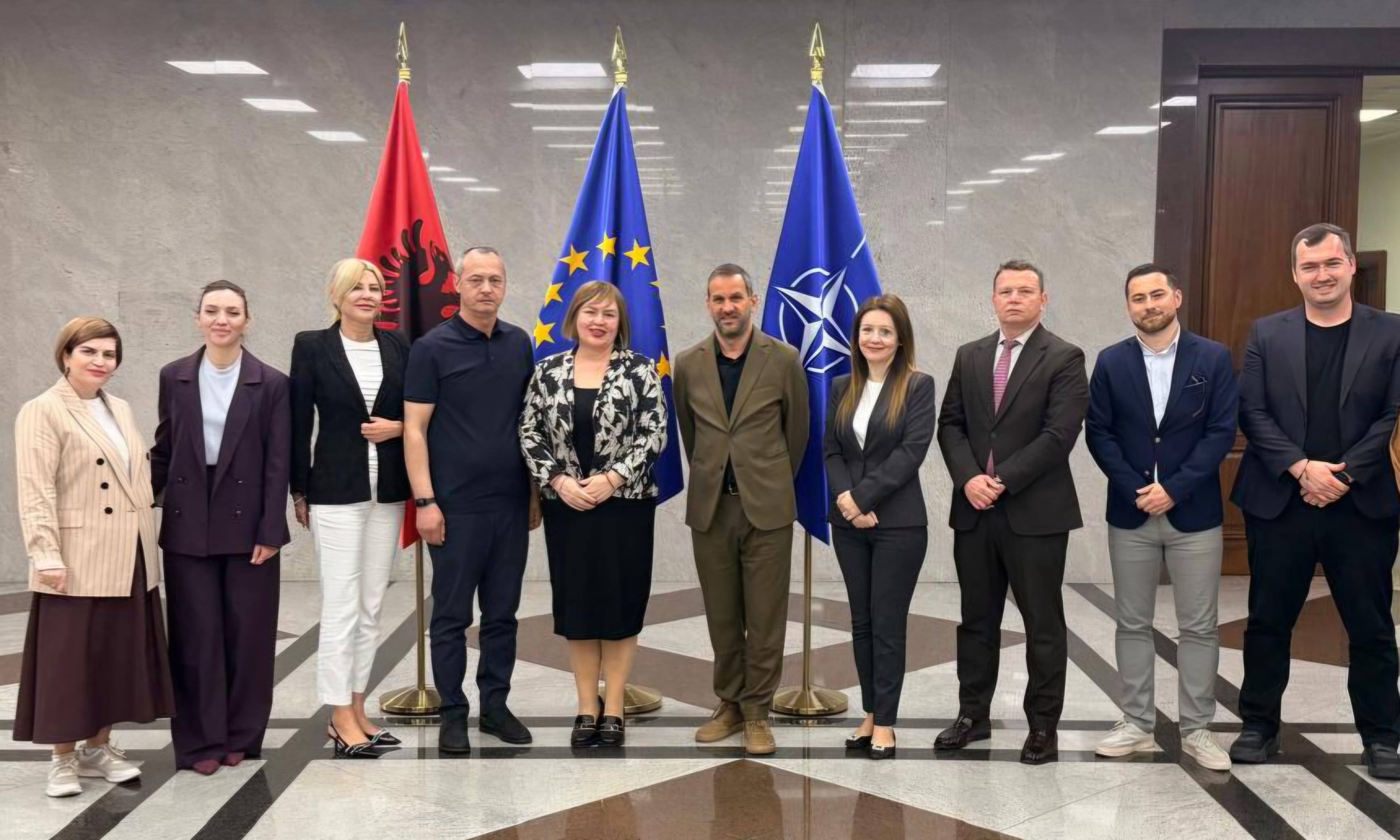
On April 17, within the framework of a project by the Westminster Foundation for Democracy (WFD), supported by the Swedish Embassy and SIDA, officials from North Macedonia—representing state institutions—together with representatives of international organizations and civil society, held a meeting with the National Agency of the Diaspora to exchange experiences and best practices in this field.
This program focuses on promoting circular migration and encouraging diaspora investment, initially through the analysis of practices across countries in the region.
In parallel, efforts are advancing toward the drafting of long-term policies aligned with global sustainable development objectives, in close cooperation with international partners.
In this context, the National Agency of the Diaspora shared its experience regarding concrete steps, including:
-
Drafting the new Diaspora Strategy 2026–2030;
-
Strengthening interinstitutional coordination and ensuring the active involvement of all stakeholders engaged in diaspora-related programs;
-
Engaging diplomatic missions, diaspora associations, members of the Coordinating Council of the Diaspora, and distinguished individuals as key points of contact;
-
Developing digital services and promoting investment opportunities.
The Executive Director of the National Agency of the Diaspora, Ms. Xhafa, emphasized that the Agency’s commitment to strengthening ties with the diaspora and increasing its contribution to national development is essential—particularly within the framework of foreign policy priorities and the irreversible process of Albania’s and the wider Western Balkans’ integration into the European Union.
Key priorities include fostering the economic engagement of the diaspora, encouraging brain gain, promoting youth inclusion, strengthening cultural ties, and advancing tourism and regional development.
Equal emphasis is placed on empowering local governance and enhancing cooperation at the local level.
Building trust with the diaspora remains fundamental and requires transparency, continuous communication, and concrete initiatives that make this relationship sustainable and functional.
In conclusion, it was underlined that the diaspora represents a strategic asset, and that regional cooperation is key to fully leveraging its potential for development.