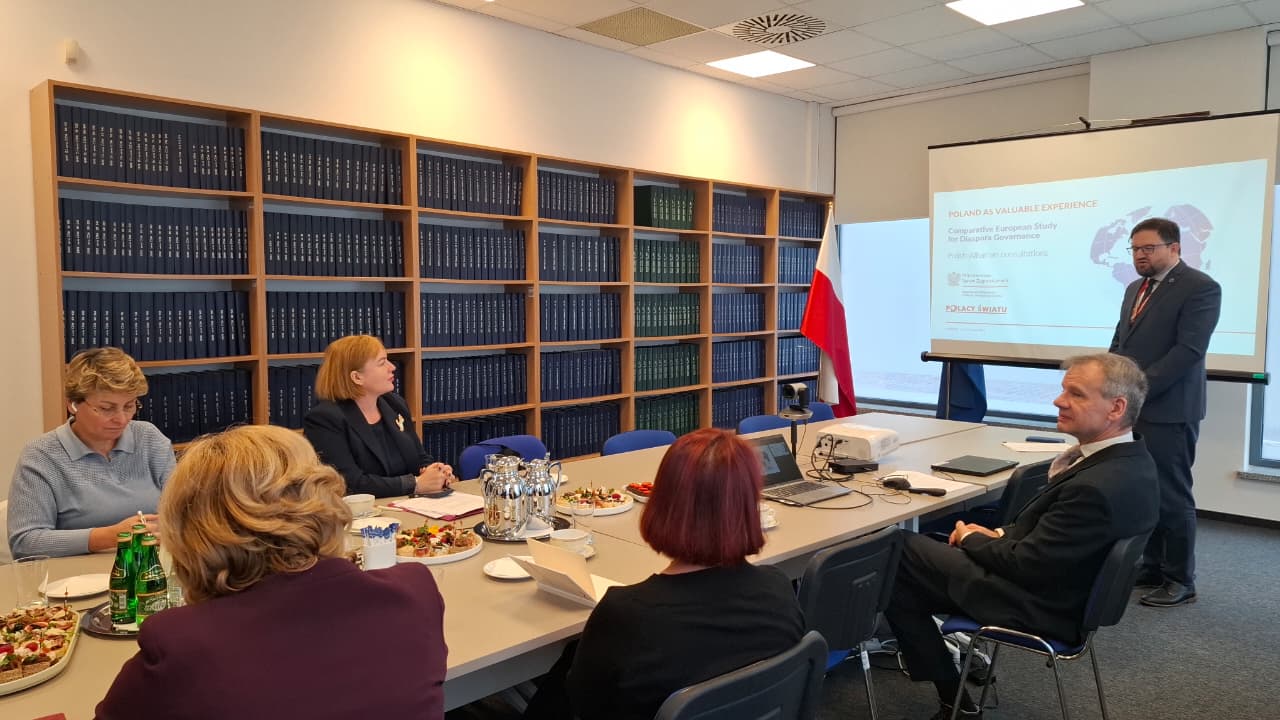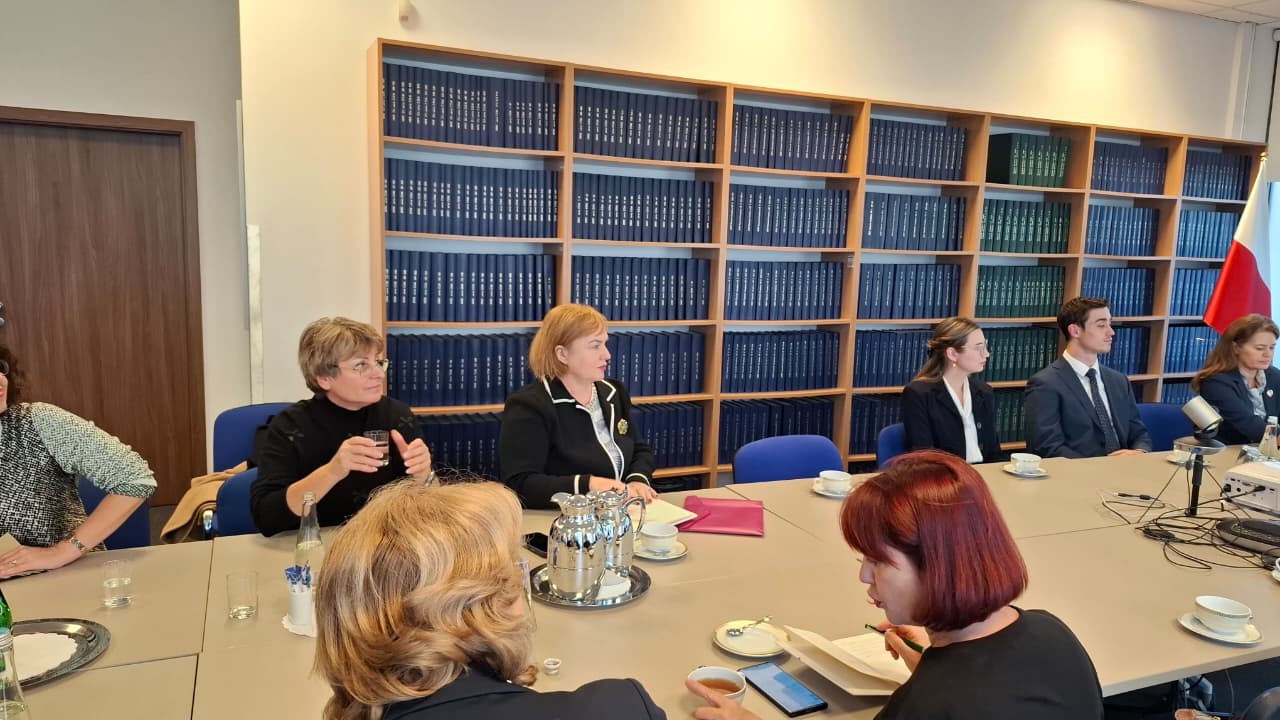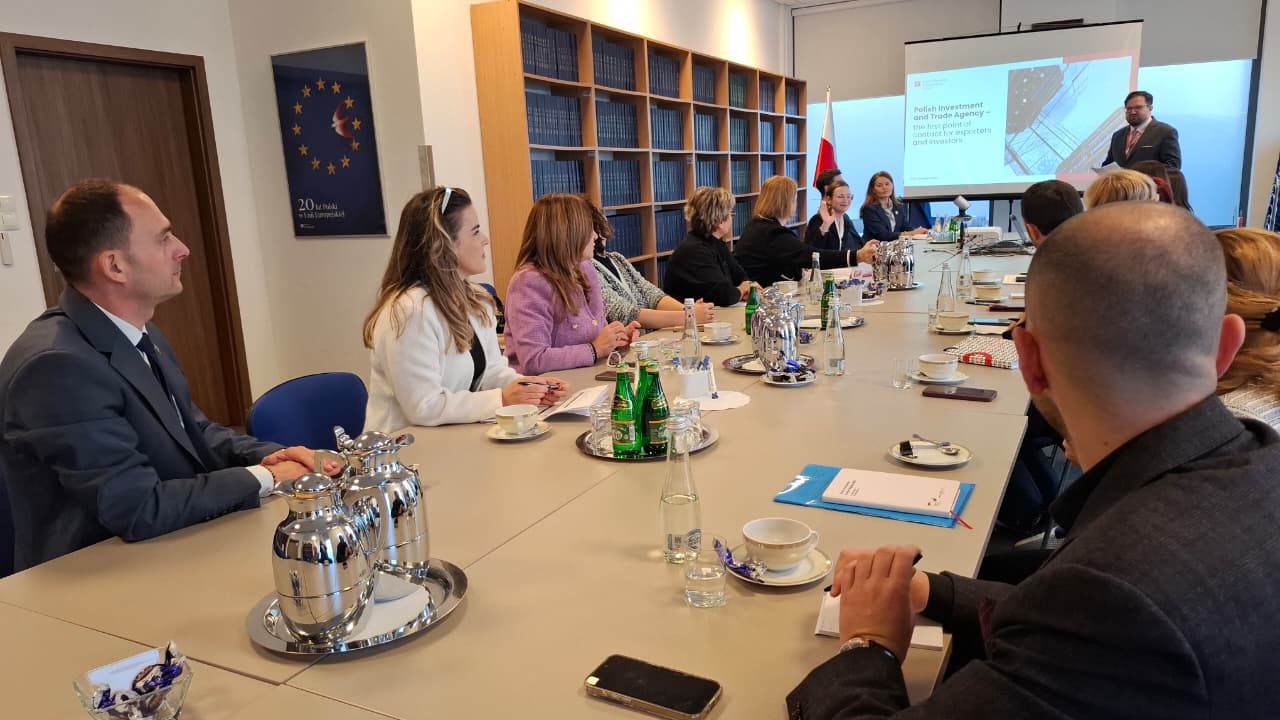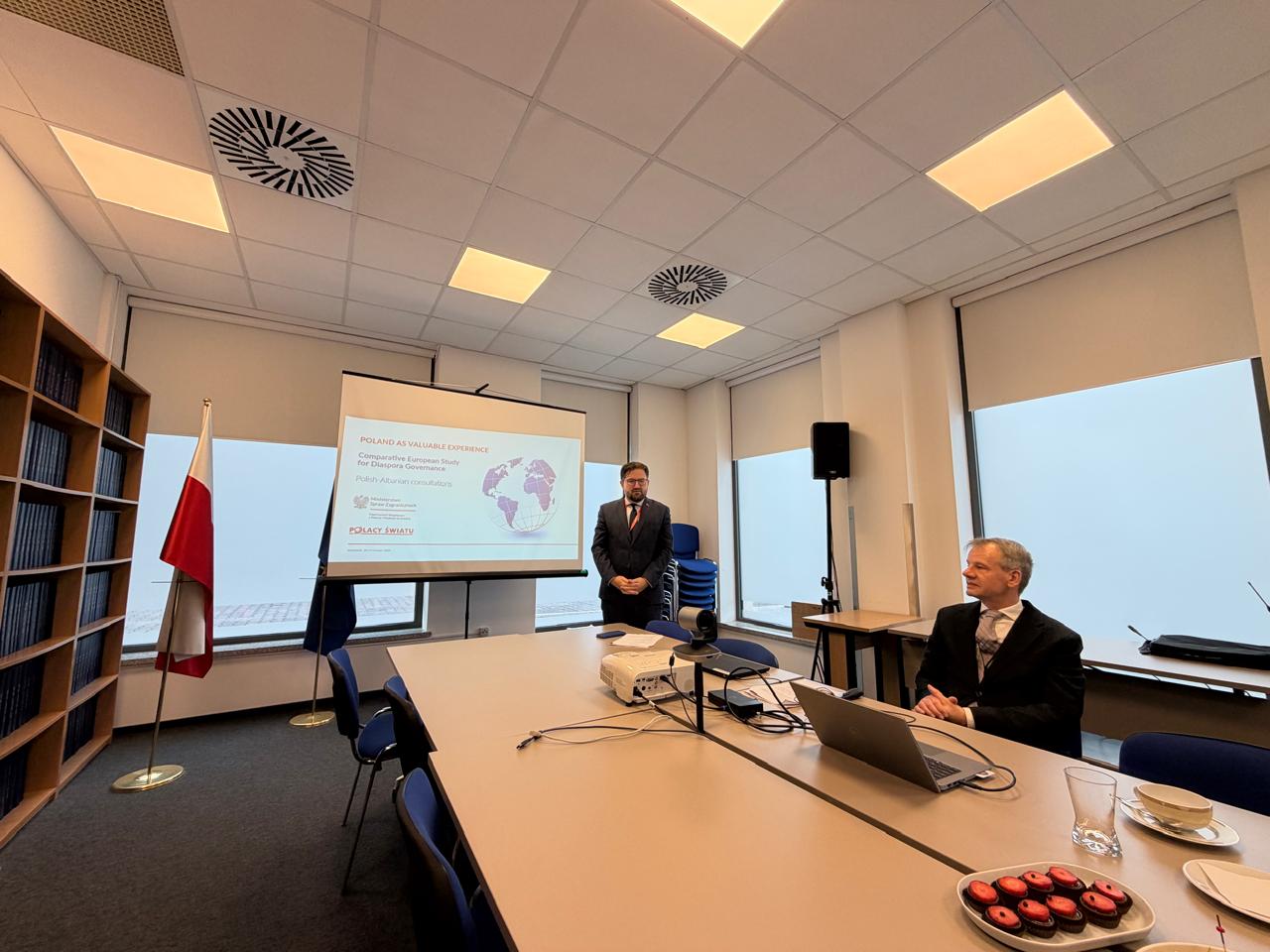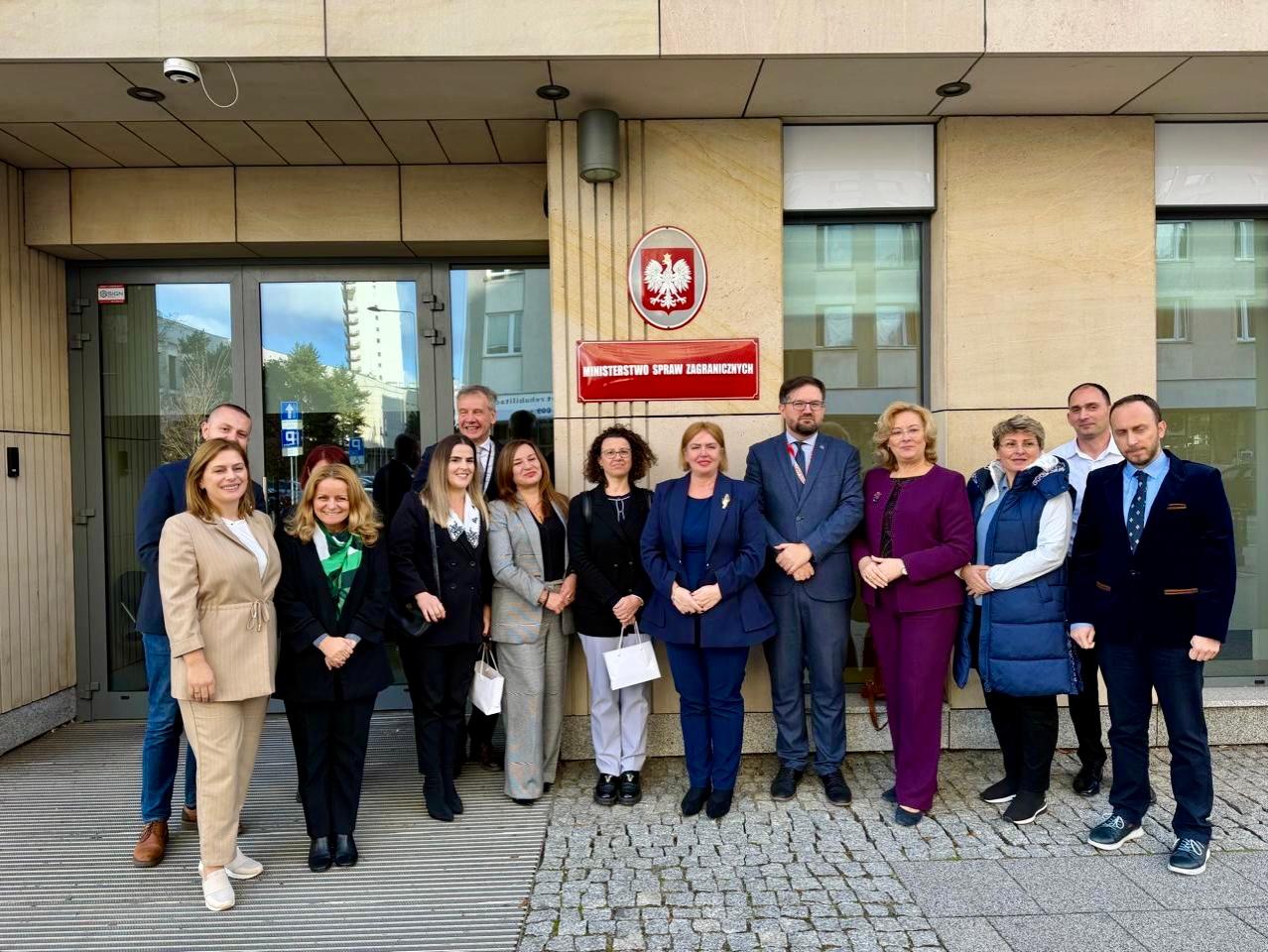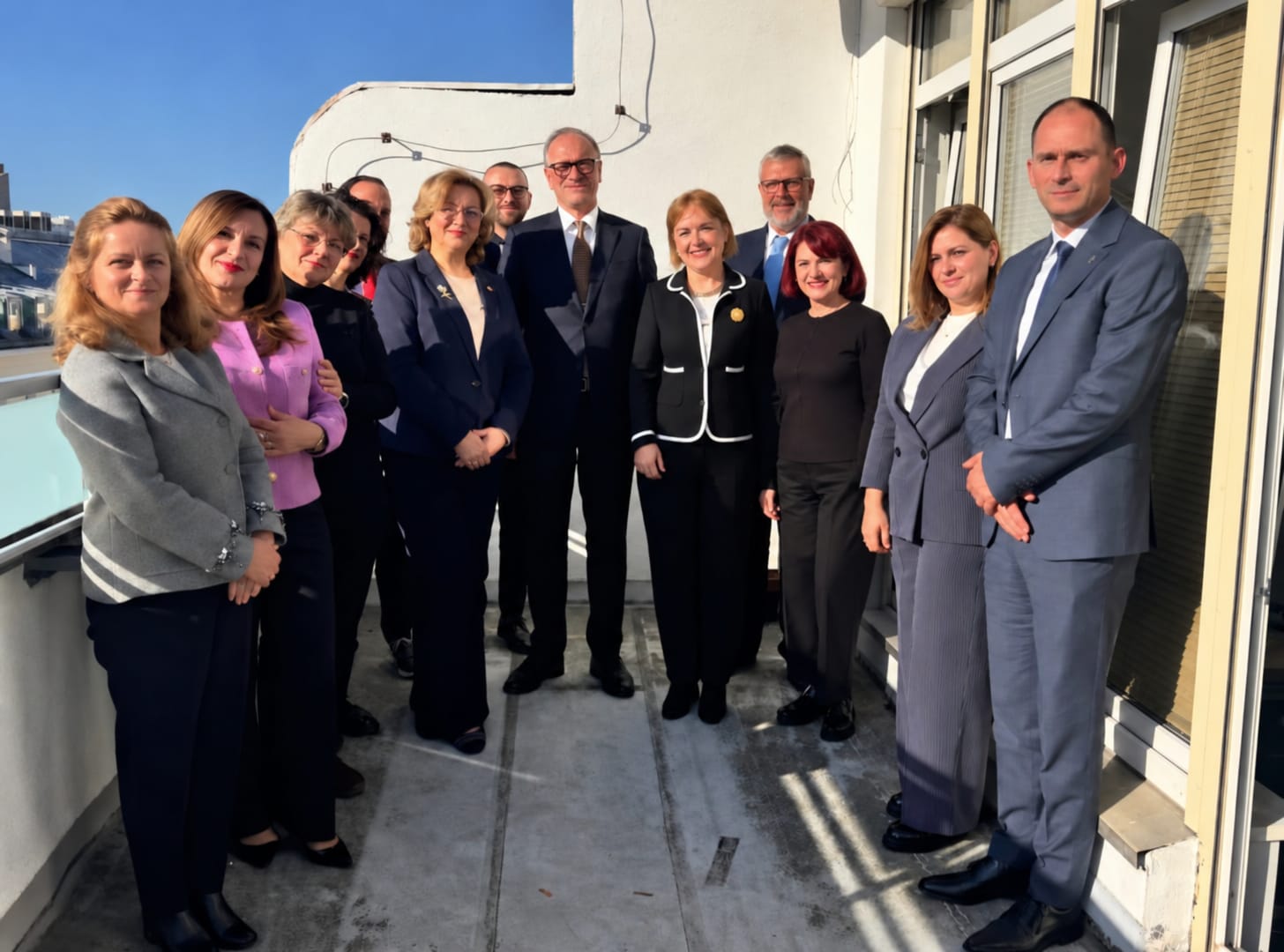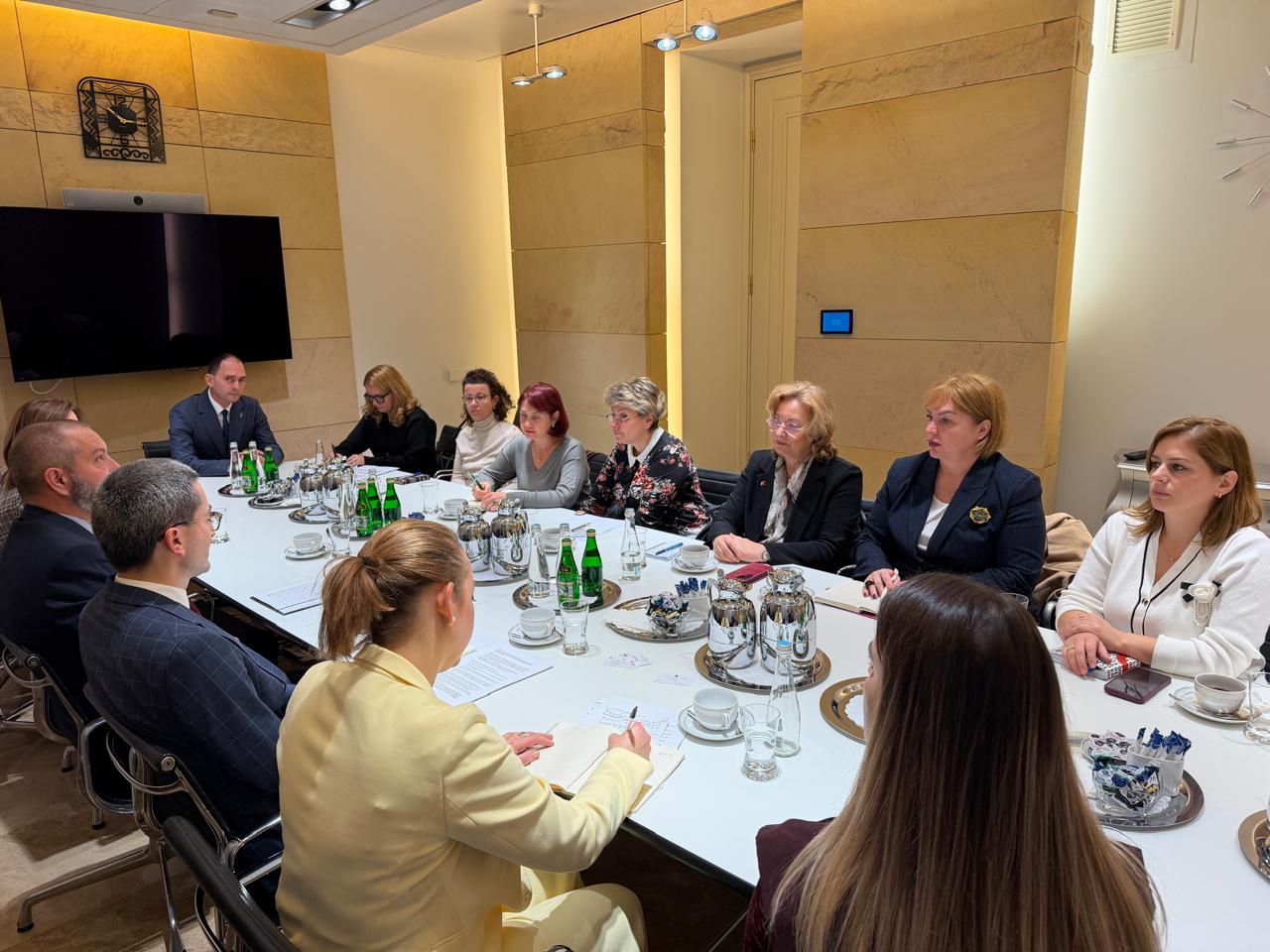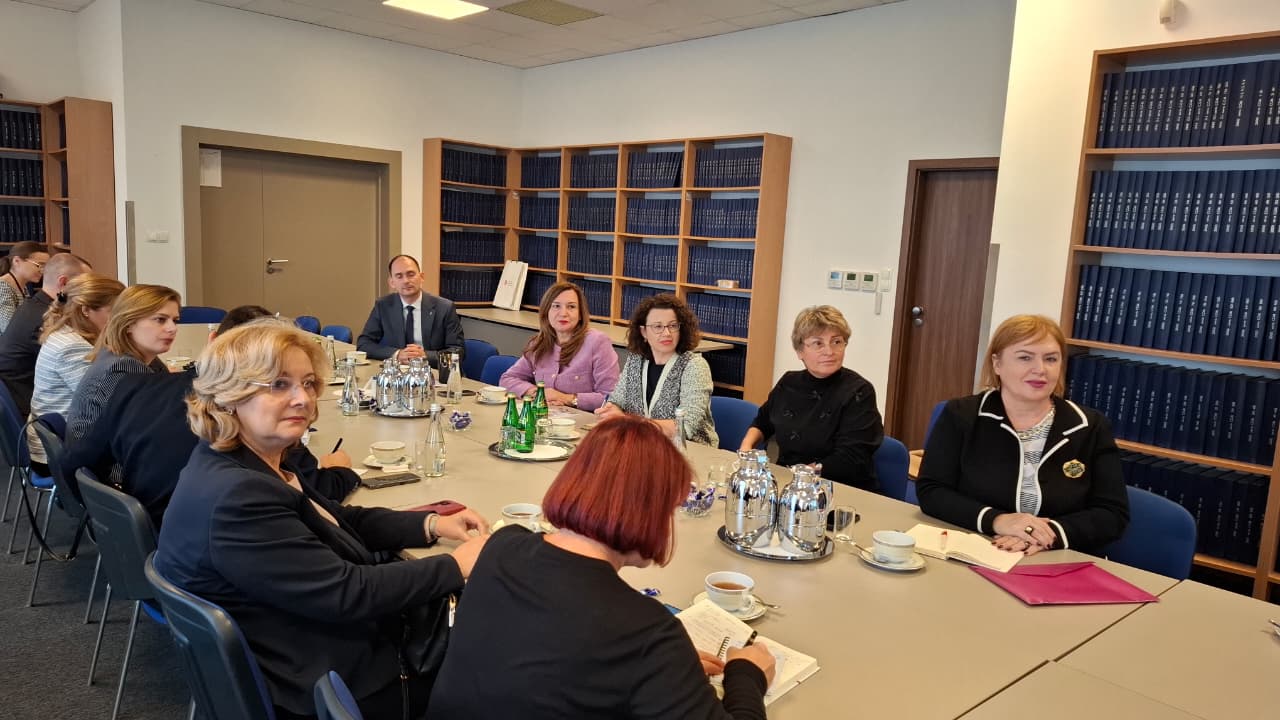
Representatives of the National Agency for Diaspora and the Directorate of Economic Diplomacy, Culture and Diaspora at the Ministry for Europe and Foreign Affairs (MEFA) conducted a four-day study visit to Poland, within the framework of cooperation supported by GIZ Albania and with the involvement of the Embassy of the Republic of Albania in Poland.
The study visit aimed to explore Poland’s experience in developing and implementing diaspora policies, as well as to exchange institutional practices that could help strengthen Albania’s approach towards its communities abroad.
Poland was selected in recognition of its achievements over the past five years in developing and implementing state policies for the diaspora, strengthening institutional coordination, and establishing concrete mechanisms to maintain ties with communities abroad and engage their potential in the development of their country of origin.
The programme included meetings with representatives of key Polish institutions involved in the development, coordination and implementation of diaspora policies, as well as with representatives of the Albanian community in Poland.
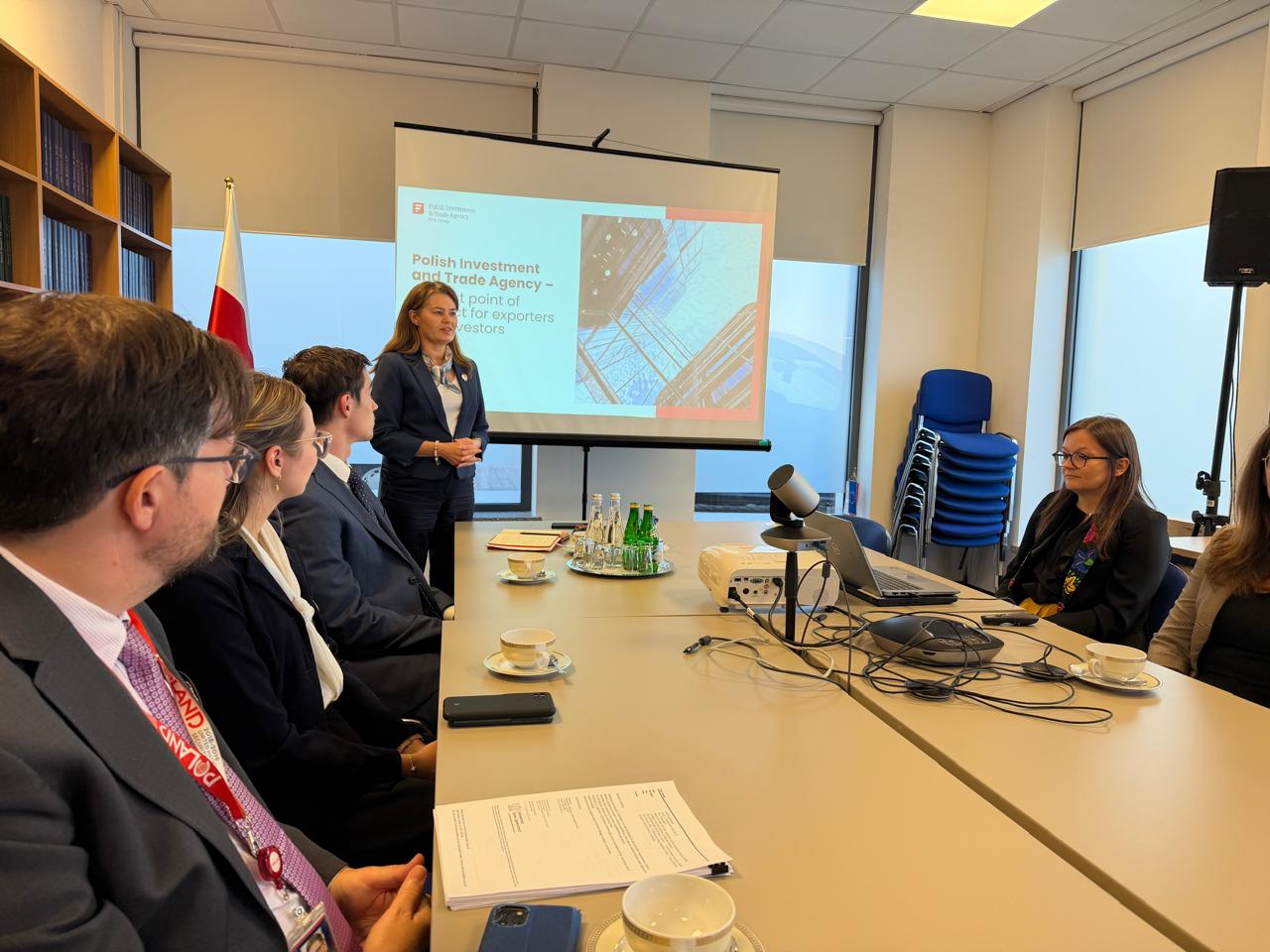
During meetings with the Ministry of Foreign Affairs of Poland, the Senate Office for the Polish Diaspora, the Polish Investment and Trade Agency (PAIH), as well as specialised institutions and foundations, experiences were exchanged on institutional organisation, coordination between responsible structures, the division of responsibilities, and funding mechanisms for programmes supporting the diaspora.
Particular attention was also given to the exchange of experiences regarding the Polish Strategy for Cooperation with the Diaspora 2025–2030, which sets out the framework for cooperation between state institutions and Polish communities around the world.
In this context, the mechanisms for coordination between ministries, the Senate and specialised structures were presented, with the aim of harmonising policies, ensuring the effective use of resources and avoiding overlapping activities.
Preserving the language, national identity and cultural heritage among second- and third-generation diaspora communities was another important topic addressed during the discussions. Poland’s experience in supporting schools and cultural centres abroad, training teachers, developing educational programmes and engaging young people provided practical examples of how to strengthen younger generations’ ties with their country of origin.
From an economic perspective, discussions focused on encouraging return, investment and the involvement of the diaspora’s human capital in the country’s development. Among the practices presented was the Poland Business Adventure programme, which offers young people of Polish descent opportunities for professional internships with companies and institutions in Poland, encouraging them to become familiar with the labour market and establish lasting connections with the economy of their country of origin. Discussions also covered economic forums, study visits and programmes supporting investment and the transfer of professional knowledge.
The exchange of experiences also included competitive funding schemes for diaspora organisations, project monitoring and evaluation, and strengthening the organisational capacities of associations through training and institutional support.
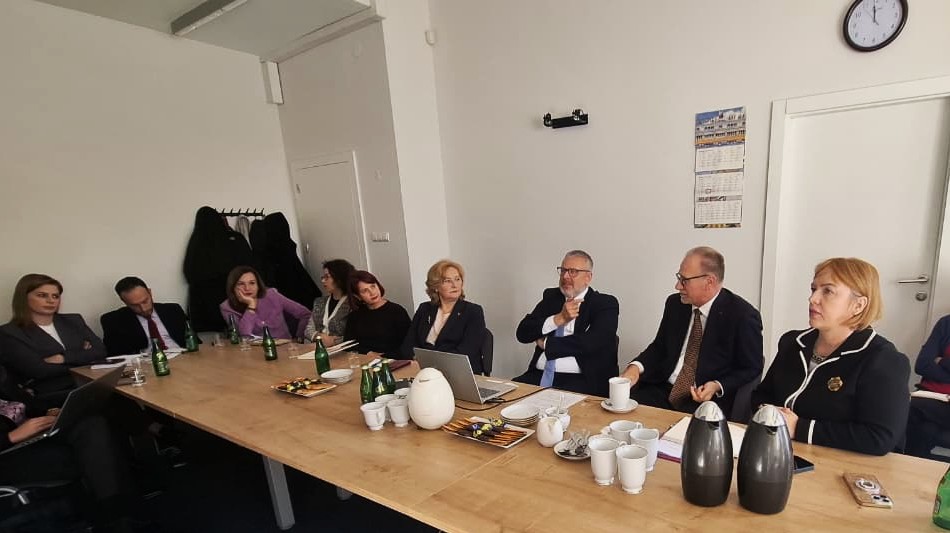
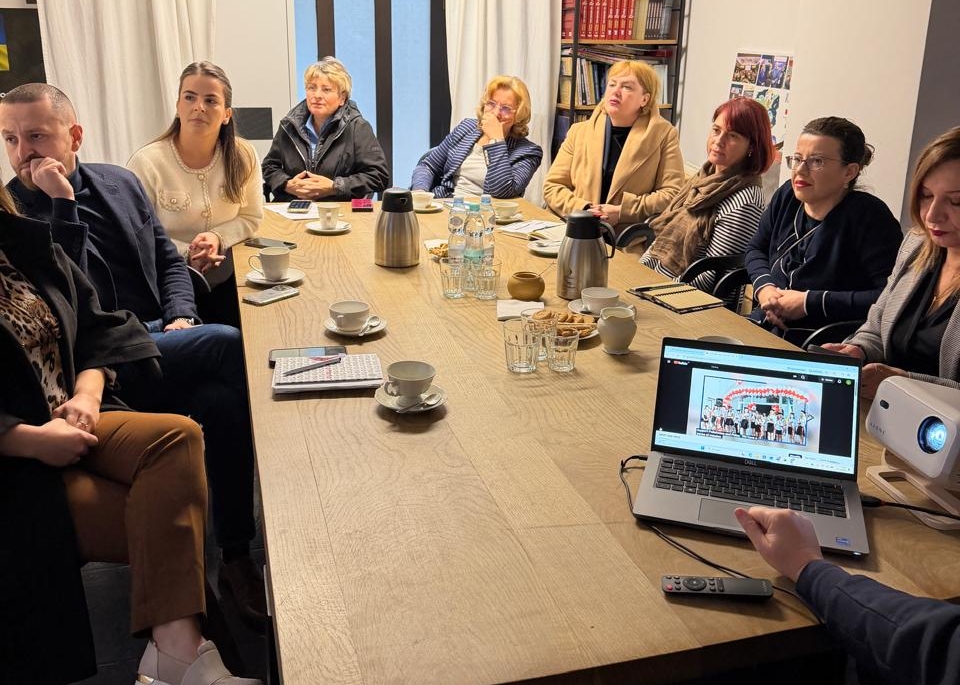
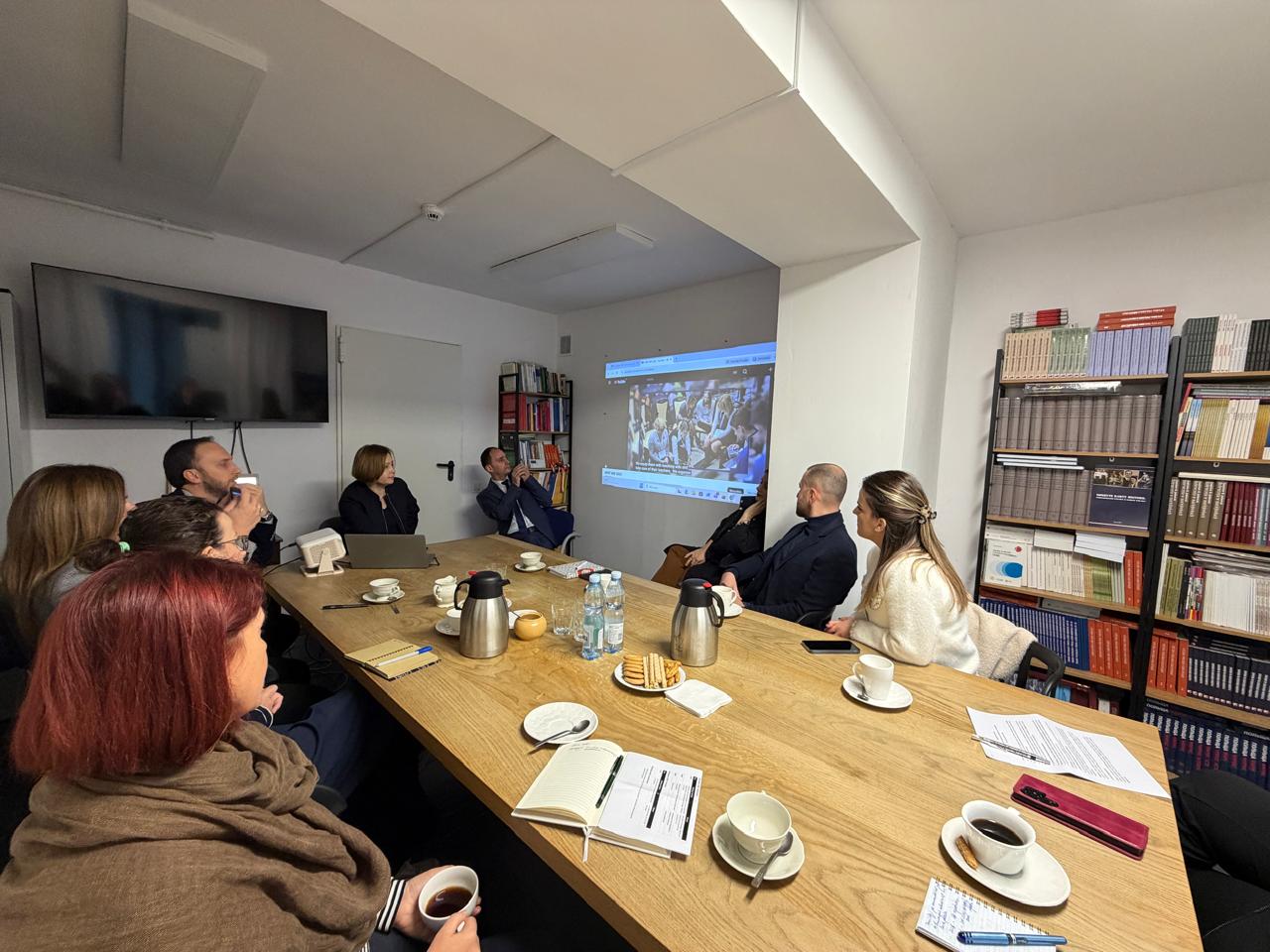
As part of the visit, the delegation also met with representatives of the Albanian community in Poland to discuss its organisation, the activities of its associations, the preservation of ties with Albania and opportunities to expand cooperation with Albanian institutions.
The exchange of these experiences represents a concrete opportunity to identify models and practices that could be adapted to the Albanian context, particularly in strengthening inter-institutional coordination, supporting diaspora organisations, preserving national identity among younger generations, and establishing mechanisms to engage the professional, human and economic potential of the diaspora in Albania’s development.
During the visit, representatives of the National Agency for Diaspora and the Directorate of Economic Diplomacy, Culture and Diaspora also held a productive meeting with representatives of the Albanian community in Poland. The meeting provided an important opportunity to hear first-hand about their concerns, needs and expectations regarding the current situation in Albania.
The meeting created a valuable space for dialogue and exchange, highlighting new opportunities to strengthen ties with Albanian institutions and expand cooperation in support of preserving national identity and ensuring the diaspora’s more active involvement in the country’s development. Discussions also addressed the possibility of opening the first Albanian language courses in Poland. 📖
A particularly positive development was that the Albanian community in Poland, mainly based in Warsaw, is already organised and taking concrete steps towards establishing a shared space for meetings and cooperation. This space would provide Albanians with an opportunity to gather, organise joint cultural and social activities, maintain their connection with the Albanian language, traditions and national identity, and strengthen ties within the community.
This visit represents an important step towards strengthening international partnerships, exchanging experiences and enhancing institutional instruments for the development of policies serving the Albanian diaspora.
Learning from the best European models and practices creates concrete opportunities to identify and adapt successful mechanisms for implementing the National Diaspora Strategy 2026–2030, developed in cooperation with the International Organization for Migration (IOM). The strategy aims to strengthen inter-institutional coordination and translate strategic objectives into concrete measures and results.
The National Agency for Diaspora expresses its appreciation for the cooperation with GIZ Albania, the willingness of Polish institutions to share their experience and practices, and the support provided by the Embassy of the Republic of Albania in Poland in developing and organising the programme of this study visit.